Famous Buddhist Temples: A Spiritual Journey
For over 2,500 years, spiritual communities have created remarkable spaces that blend human creativity with divine inspiration. These sacred structures emerged from ancient India’s fertile plains, where a revolutionary philosophy first took root. Through centuries of cultural exchange, they became cornerstones of artistic expression and personal growth across Asia.
Modern visitors discover more than historic landmarks when exploring these sites. They encounter active hubs where timeless wisdom meets contemporary life. Many locations host daily meditation sessions, cultural workshops, and interfaith dialogues that bridge generations.
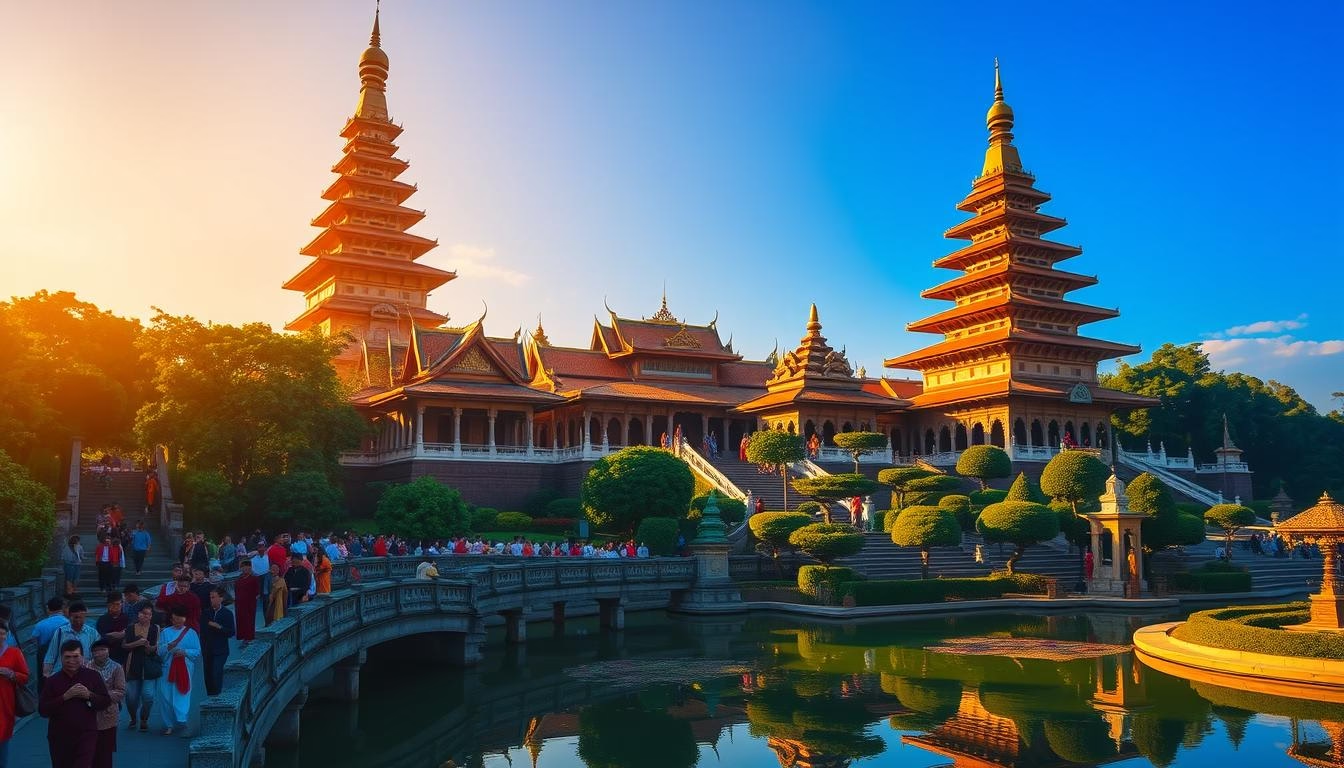
From golden stupas reflecting tropical sunsets to minimalist Zen gardens whispering of inner peace, each location reveals distinct regional flavors. Some survived imperial conquests while others rose from earthquake rubble – all maintaining their role as gathering places for seekers worldwide.
Key Takeaways
- Originating in ancient India, these spiritual practices shaped civilizations across Asia
- Modern sites combine historic preservation with active community engagement
- Architectural styles reflect local cultures and environmental adaptations
- Many locations serve as education centers for philosophy and meditation techniques
- Visitors can experience living traditions through guided programs and retreats
Whether you’re drawn to intricate mandalas or silent contemplation practices, these spaces offer fresh perspectives on universal human questions. Their enduring appeal lies in creating connections – between past and present, individual and community, earth and sky.
Discovering the Historical Roots of Buddhist Temples
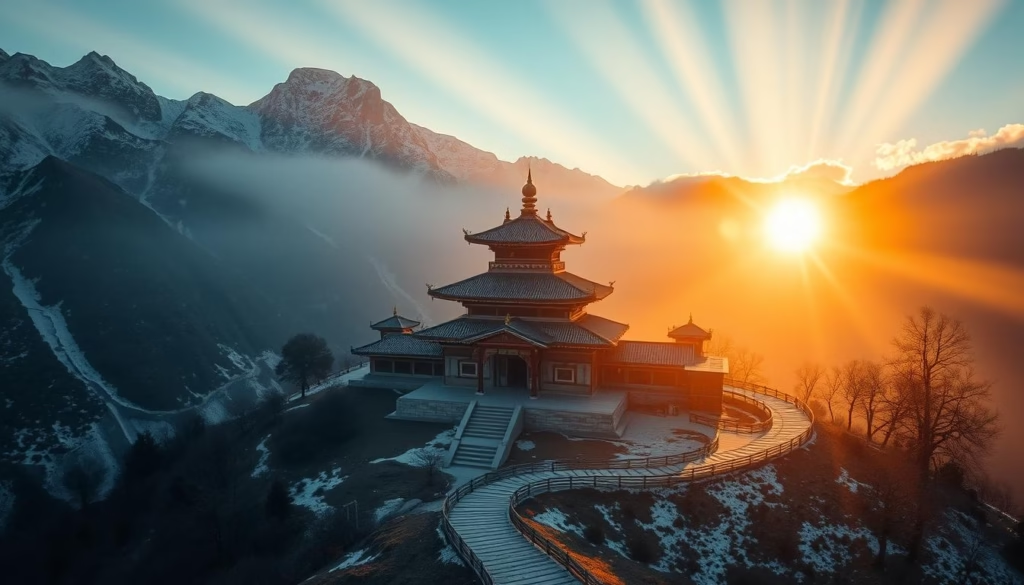
What began as monsoon-season shelters evolved into some of history’s most influential spiritual hubs. The story starts where ancient philosophy met practical needs – under India’s rainy skies.
Origins in Northeastern India
Early communities gathered during Vassa – the 3-month rainy retreat. These temporary shelters gradually became permanent spaces for study and meditation. By the 3rd century BCE, simple structures transformed into organized centers where teachings spread beyond oral traditions.
Evolution Through Centuries
As spiritual practices traveled through trade routes, each region added unique touches. Stone carvings replaced bamboo walls in mountainous areas, while coastal zones used local timber. Rulers often funded grand projects – like the 1st-century BCE kingdom of Gandhara, where Greek and Indian styles blended.
Three key developments shaped these sacred spaces:
- Integration of local building materials
- Creation of multi-use community spaces
- Adaptation to climate challenges
Modern visitors can still see ancient rainwater systems in Sri Lankan complexes or earthquake-resistant designs in Himalayan areas. These innovations show how practicality and spirituality grew hand-in-hand over 2,500 years.
Cultural Significance and Spiritual Teachings
At the heart of these sacred spaces lies a living tradition that shapes daily life for residents and visitors alike. Monastic communities maintain rituals unchanged for generations while welcoming modern seekers.
Philosophy in Action
Resident monks follow strict schedules blending meditation, study, and community service. Their days begin before sunrise with chanting sessions that echo through ancient halls. These practices aren’t relics – they’re practical tools for cultivating focus and compassion.
| Monastic Practices | Visitor Guidelines |
|---|---|
| Dawn meditation sessions | Remove shoes before entry |
| Scripture study groups | Cover shoulders and knees |
| Silent meal traditions | Keep phones silenced |
Meaning Behind Manners
Proper etiquette creates shared respect in sacred spaces. Simple acts like walking clockwise around shrines or avoiding pointing feet at statues carry deep symbolism. Many active spiritual centers offer orientation tours to help guests understand these nuances.
Morning offerings of rice or flowers demonstrate Buddhism’s emphasis on generosity. Evening candle ceremonies symbolize wisdom dispelling darkness. Participating respectfully allows visitors to experience teachings at a personal level.
Experiencing Architectural Marvels
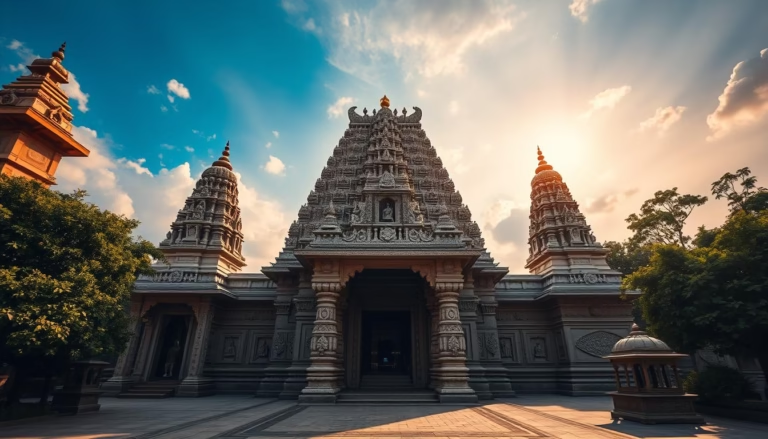
The silent language of stone whispers ancient secrets across temple courtyards. Master builders transformed raw materials into spiritual wonders using techniques that still baffle modern engineers. Take Indonesia’s Borobudur – its 2 million stone blocks form a 34-meter-high pyramid, assembled without mortar over 75 years.
Stone Structures and Intricate Pagodas
Pagoda designs reveal cosmic philosophies through their layered tiers. Each level represents stages of enlightenment, climbing toward symbolic perfection. Craftsmen shaped hard volcanic rock into flowing robes for statues, making stone appear soft as silk.
These complexes blend practicality with poetry. Hidden drainage systems prevent erosion, while aligned doorways frame sunrise views. Visitors often gasp at walls covered in 2,600 carved reliefs showing daily life from 1,200 years ago.
| Architectural Feature | Symbolic Meaning | Modern Equivalent |
|---|---|---|
| Interlocking stone blocks | Community unity | Lego-like precision |
| Nine-tiered stupas | Spiritual ascent | Skyscraper floors |
| Circular pathways | Life’s cyclical nature | Meditation labyrinths |
Modern travelers can explore majestic spiritual complexes where every carving tells a story. The Great Stupa at Sanchi demonstrates early dome designs, while Myanmar’s Shwedagon Pagoda glows with 27 metric tons of gold leaf. These sites prove ancient architects were both poets and physicists, crafting spaces that calm minds through perfect proportions.
Bagan: A Center of Enduring Legacy
Bagan’s horizon stretches endlessly, dotted with ancient spires that have weathered empires and eras. This sprawling plain along Myanmar’s Irrawaddy River was once home to 10,000 spiritual structures, a staggering display of devotion etched into the landscape. Today, over 2,000 monuments remain, their brickwork glowing like embers at sunrise.
From Royal Capital to Sacred Landscape
Between 1000-1200 AD, Bagan thrived as the political and cultural heart of a powerful kingdom. Rulers commissioned over 4,400 temples, transforming the area into a living canvas of spiritual ambition. The 1287 Mongol invasion shifted political power, but Bagan’s role as a center for learning and pilgrimage endured.
Legacy of Stone and Gold
Two architectural marvels dominate the skyline. Dhammayangyi Temple stands as Bagan’s largest structure, its precise brickwork defying centuries. Shwezigon Pagoda broke new ground as Myanmar’s first gold-plated temple, setting a standard for future stupas.
Modern visitors navigate dusty paths connecting these ruins, each revealing unique artistic choices. Some feature intricate plaster carvings, while others showcase massive corridors designed for meditation. As recent studies show, preservation teams balance tourism with protecting fragile murals hidden within weathered walls.
At sunset, when shadows stretch across the plain, Bagan’s true magic emerges. What began as a royal statement became a timeless testament to humanity’s search for meaning – a sacred dialogue in brick and stone that continues after 800 years.
Iconic Monasteries and Their Storied Histories
Perched like an eagle’s nest above roaring rivers, some spiritual retreats defy both geography and time. The Himalayas hide architectural wonders where human determination meets raw natural power. These remote sanctuaries preserve traditions untouched by modern haste.
Phugtal Gompa’s Cliffside Charm
Clinging to a 3,800-meter rock face, this honey-colored structure appears part of the mountain itself. Built in the 12th century, its mud-brick walls have withstood eight hundred years of avalanches and storms. Seventy monks still chant ancient texts in chambers lit by butter lamps.
The journey to reach this sky-high complex tests even seasoned hikers. Visitors navigate narrow trails along the Lungnak River before ascending stone steps carved into cliffs. Each switchback reveals new perspectives on the monastery’s impossible height.
Local legends say Lama Gangsem Sherap Sampo chose this site after seeing a wild horse vanish into the rock wall. His followers transformed caves into meditation cells using only nearby materials. Their secret? A mortar recipe mixing barley flour with Himalayan minerals.
Modern engineers marvel at earthquake-resistant designs perfected through generations. Narrow windows deflect harsh winds, while overhanging cliffs provide natural insulation. This living monastery proves simplicity and ingenuity can outlast empires.
Exploring famous buddhist temples around the World
Across continents and cultures, sacred spaces of profound beauty mark humanity’s spiritual journey. These architectural wonders range from jungle-clad ruins to mountain-perched sanctuaries, each telling stories of devotion through stone and symbolism.
Pilgrimage Sites in Asia and Beyond
Indonesia’s Borobudur stands as the world’s largest single religious structure, its nine terraces forming a cosmic map in stone. In Myanmar, the golden Shwedagon Pagoda glows with 27 tons of precious metal – a beacon for millions of pilgrims.
| Site | Location | Unique Feature | Visitor Experience |
|---|---|---|---|
| Mahabodhi | India | Original Bodhi Tree descendant | Meditation under sacred branches |
| Angkor Wat | Cambodia | Largest religious complex | Sunrise over lotus towers |
| Tiger’s Nest | Bhutan | Cliffside architecture | Hike through cloud forests |
| Hsi Lai | USA | Modern Chan architecture | Calligraphy workshops |
Highlights of Unique Destinations
Bhutan’s Taktsang Monastery clings to cliffs 3,000 feet above valley floors, accessible only by foot. Modern communities adapt ancient designs – California’s Hsi Lai Temple blends Chinese palace styles with earthquake-resistant engineering.
From Thailand’s white marble Wat Rong Khun to Japan’s minimalist Zen gardens, these spaces showcase regional artistry. Many offer hands-on experiences like lantern festivals or tea ceremonies, connecting visitors to living traditions.
Meditation, Monks, and Sacred Spaces
The hush of morning mist reveals spaces crafted for inner discovery. For centuries, spiritual communities have shaped environments that guide individuals toward clarity. At Kopan Monastery in Nepal, resident monks welcome visitors seeking respite from modern noise through structured programs.
Quiet Retreats for Reflection
Since 1971, this hilltop center has offered month-long courses blending ancient wisdom with practical application. Participants explore mindfulness techniques while sharing simple meals, creating bonds across cultures. The place demonstrates how intentional design supports personal growth at every level of experience.
Architectural elements work together to calm the mind. Courtyards direct attention inward, while statues serve as focal points during silent observation. Annual retreats remind us that true connection often begins when external distractions fade away.