Explore the Best Spanish Islands: A Travel Guide
Dreaming of turquoise waters and sun-drenched coastlines? Spain’s island groups deliver unforgettable escapes blending rich history with modern charm. From lively nightlife hubs to secluded coves, these Mediterranean and Atlantic gems cater to every traveler’s taste.
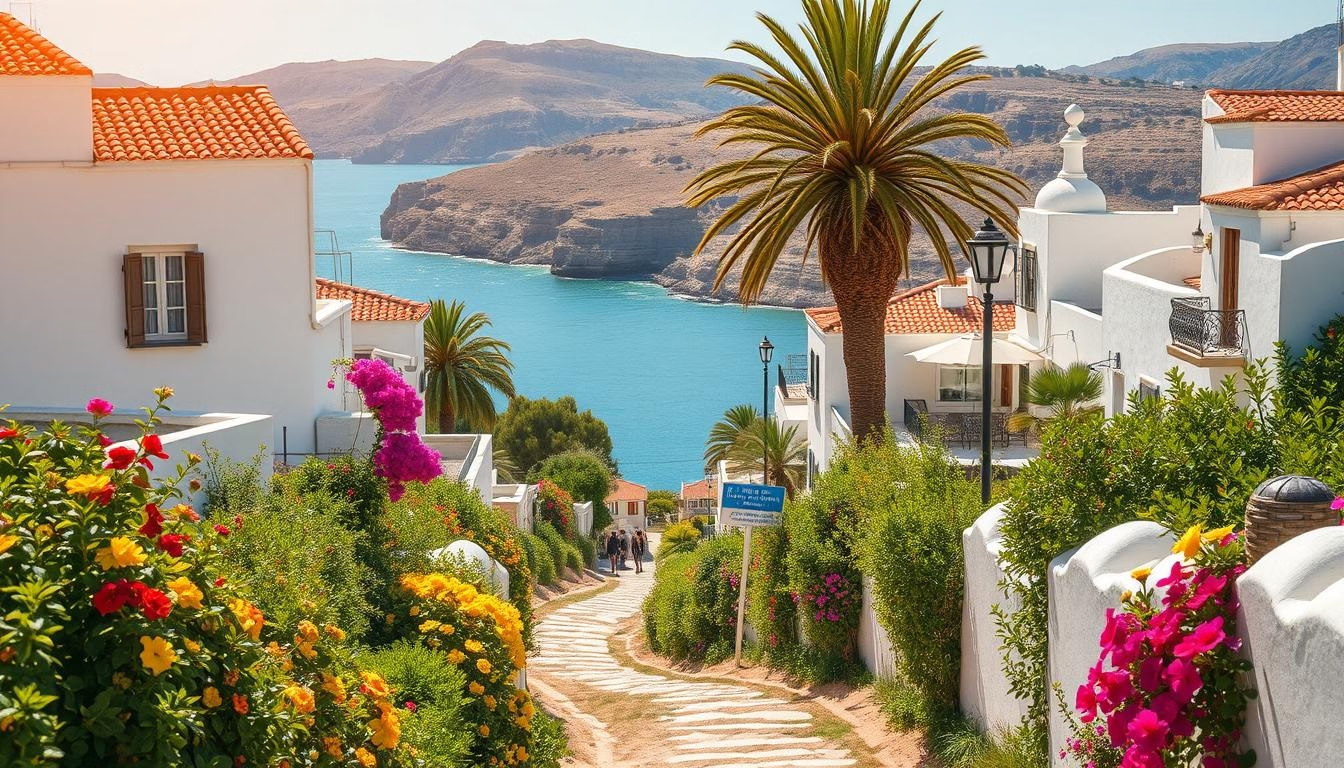
The Balearic archipelago—home to Mallorca, Menorca, Ibiza, and Formentera—boasts layers of cultural heritage. Phoenician traders, Roman settlers, and Moorish rulers all left their mark here. Today, whitewashed villages sit beside ancient ruins, while beach clubs pulse with energy after sunset.
This guide helps you navigate these stunning destinations. Discover hidden trails in Menorca’s biosphere reserves or unwind on Formentera’s untouched shores. Learn when to visit for ideal weather or fewer crowds. Whether you crave adventure or relaxation, these islands offer endless possibilities.
Key Takeaways
- Spain’s islands blend diverse cultures, from ancient ruins to modern attractions
- Each destination offers distinct experiences, from vibrant nightlife to serene nature
- Historic architecture reflects Phoenician, Roman, and Moorish influences
- Seasonal travel tips help visitors avoid crowds and enjoy ideal conditions
- Easy transportation options connect major islands and hidden coastal spots
An Invitation to Spanish Island Escapes
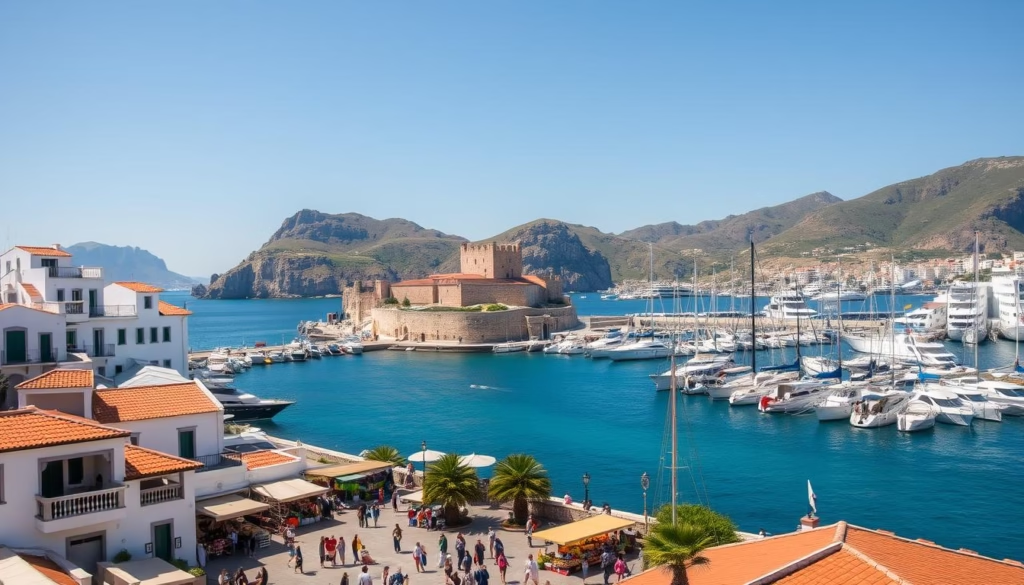
Imagine wandering through cobblestone streets where ancient fortresses cast shadows over bustling markets. These Mediterranean treasures blend centuries-old traditions with modern allure, creating destinations that feel both timeless and fresh.
A Glimpse into Spain’s Island Culture and History
For over 3,000 years, civilizations have shaped these sun-kissed lands. Mallorca’s architecture reveals Roman amphitheaters beside Moorish-inspired courtyards—a living museum of Mediterranean influences. Ibiza’s Dalt Vila, a UNESCO World Heritage Site, stands guard over electric-blue bays, while Menorca’s stone monuments whisper tales from the Bronze Age.
Three cultural highlights define the region:
- Open-air markets showcasing handwoven baskets and olive wood crafts
- Summer festivals featuring fire dances passed down through generations
- Vineyard tours revealing winemaking techniques from Phoenician times
What Makes These Destinations Unforgettable
Morning hikes to medieval monasteries often lead to afternoons sipping local hierbas liquor beside infinity pools. The magic lies in seamless contrasts—rugged coastal trails minutes from Michelin-starred kitchens, or silent talayotic ruins framed by citrus groves.
Local chefs reinvent ancestral recipes using sea salt harvested since Roman days. As the sun dips below Formentera’s dunes, biosphere reserves glow with golden-hour light. This is where history breathes through every sunset, meal, and hidden cove.
Discover the best spanish islands
From azure seas to dramatic peaks, Spain’s archipelagos invite exploration beyond ordinary getaways. The Balearic group whispers Mediterranean secrets through pine-fringed coves, while the Canaries roar with Atlantic energy around volcanic craters. Each destination paints its own masterpiece across land and sea.
Highlights From the Balearic to the Canary Islands
The Balearic Islands showcase four distinct characters. Mallorca’s Serra de Tramuntana mountains cradle terraced olive groves above turquoise bays. Menorca’s Cami de Cavalls trail circles the entire island, passing Bronze Age stone monuments. Formentera rewards visitors with salt flats hosting pink flamingos and beaches rivaling Caribbean sands.
In the Canary Islands, Tenerife’s lunar-like Teide National Park surrounds Spain’s highest peak. Hikers traverse lava fields by day, then savor Michelin-starred papas arrugadas in Santa Cruz’s buzzing plazas by night. Neighboring islands like Lanzarote add surreal vineyards grown in volcanic ash.
Insider Tips for Unique Vacation Experiences
Swap crowded July beaches for May’s wildflower blooms or October’s warm swims. Join Menorcan farmers making mahón cheese using 18th-century techniques, or sip Tenerife wines nurtured by mineral-rich soils. Sleep in restored Mallorcan possessions (country estates) or Lanzarote’s whitewashed cave houses.
Local markets like Ibiza’s Las Dalias reveal hand-embroidered linens and almond-stuffed ensaimadas pastries. Formentera’s weekly fish auction lets you grill that morning’s catch on your villa terrace. These moments transform typical trips into authentic cultural journeys.
Mallorca: Food, Culture, and Scenic Beauty
Mallorca dazzles visitors with its perfect trio of flavors, traditions, and landscapes. Sunlight bathes terraced olive groves while coastal trails reveal hidden coves. This Mediterranean jewel balances centuries-old heritage with modern creativity at every turn.
Top Attractions and Historic Landmarks
La Seu Cathedral rises dramatically above Palma’s harbor, its Gothic spires framing Miquel Barceló’s molten-chapel masterpiece. In Valldemossa, the Carthusian monastery preserves Chopin’s piano alongside medieval manuscripts. Wander through Deià’s stone lanes where poet Robert Graves found inspiration beneath citrus-scented skies.
Local Dining, Boutique Stays, and Beach Resorts
Michelin-starred chefs like Marc Fosh reinvent Mallorcan cuisine using saffron-kissed lamb and salt-crusted fish. For authentic flavors, Ca Na Toneta serves heirloom recipes with vegetables from their garden. Families love Cala Llombards’ shallow waters, while Es Trenc’s endless sands attract sunset seekers.
Sleep in restored 18th-century estates where olive presses now house infinity pools. Ecocirer’s lemon-tree courtyard offers stylish Sóller escapes, while Agro Roqueta lets kids collect eggs from free-range chickens. From mountain villages to beachfront paella spots, every moment here feeds both body and soul.
Ibiza: Beyond the Nightlife
Ibiza surprises visitors with its dual personality – a destination where UNESCO-protected history meets laid-back family adventures. While famous for electronic beats, the island now draws travelers seeking authentic cultural experiences and untouched natural escapes.
Family-friendly Activities and Natural Escapes
Santa Eulalia’s calm waters and playgrounds make it ideal for young explorers. At Las Dalias market, kids marvel at handmade instruments while parents sample fig-stuffed pastries. The MACE museum offers interactive art tours inside Dalt Vila’s ancient walls – a UNESCO World Heritage Site revealing 16th-century secrets.
Three standout family spots:
- Chiringuito Blue’s shaded play area with organic smoothies
- Guided snorkeling trips through Posidonia seagrass meadows
- Sunset storytelling sessions at Can Marçà caves
Uncovering Secluded Beaches and Cultural Gems
Cala Codolar’s pebbled cove stays quiet even in peak season, framed by limestone cliffs perfect for cliff jumping. Foodies follow scent trails to Es Torrent’s beachside paella pans or La Paloma’s rosemary-infused pizzas baked in stone ovens.
For hidden swim spots, locals whisper about Aguas Blancas’ clothing-optional sands and Cala d’Hort’s views of mystical Es Vedrà rock. Morning hikers often stumble upon forgotten watchtowers along the 12-mile Ses Feixes wetland trail – silent witnesses to Ibiza’s layered past.
Menorca and Formentera: Nature and Tranquility
Step into landscapes where conservation meets coastal charm, creating havens untouched by time. These neighboring destinations offer contrasting rhythms – one a model of eco-conscious exploration, the other a sanctuary of slow living.
Sustainable Tourism and Pristine Beaches in Menorca
Menorca’s UNESCO Biosphere Reserve status shines through its 125-mile coastline. The ancient Camí de Cavalls trail circles the island, passing hidden coves where Mediterranean waters shift from cobalt to aquamarine. Locals protect this natural beauty fiercely – you’ll find solar-powered beach bars and farm-to-table restaurants like Es Tast de na Silvia.
Three experiences define Menorca’s sustainable magic:
- Swimming in Macarella’s twin bays, accessible only by foot or boat
- Exploring 3,000-year-old Talayotic stone monuments at sunrise
- Tasting Menorcan gin infused with local juniper at Cova d’en Xoroi
Bohemian Vibes and Relaxation in Formentera
Formentera moves to a different beat. Cars yield to bicycles on 32 shaded trails winding past salt flats and dunes. The posidonia seagrass meadow – a UNESCO World Heritage Site – keeps waters transparent, creating Europe’s clearest swimming conditions.
| Feature | Menorca | Formentera |
|---|---|---|
| Protected Areas | 71% of land | 70% of land |
| Transportation | Electric bike rentals | 32 cycling routes |
| Signature Beach | Cala Pregonda (rustic) | Ses Illetes (powdery) |
| Local Specialty | Mahón cheese | Fig-flower honey |
At sunset, join barefoot crowds at Gecko Beach Club. Sip hierbas liquor as DJs blend chillout tunes with crashing wave rhythms – Formentera’s signature atmosphere perfected.
Planning Your Trip: Seasonal Insights and Travel Tips
Timing shapes every great holiday, especially when balancing sunny weather with peaceful exploration. While summer draws thrill-seekers to buzzing beaches, quieter months reveal hidden trails and cultural treasures. Smart travelers match their trip goals to seasonal rhythms across these Mediterranean escapes.
Best Times to Visit and Avoiding the Crowds
June and September deliver warm swims without July’s packed shores. Menorca’s ancient trails feel magical in spring, while Mallorca’s olive harvest festivals sparkle in October. Ibiza’s wellness retreats thrive in May, offering yoga sessions under blooming almond trees.
| Season | Activity Highlights | Crowd Level |
|---|---|---|
| Spring (Mar-May) | Hiking, cycling, wildflower tours | Low |
| Summer (Jun-Aug) | Beach parties, boat excursions | High |
| Autumn (Sep-Nov) | Food festivals, vineyard visits | Moderate |
| Winter (Dec-Feb) | Cultural tours, holiday markets | Low |
Ferries from Barcelona to Menorca take 4-7 hours, letting you island-hop like 18th-century traders. For quicker trips, flights connect major cities to Palma de Mallorca in under two hours. Locals suggest booking summer villas by February and snagging September deals at boutique hotels.
Menorca’s population jumps from 95,000 to 400,000 in peak months. Beat the rush by visiting Formentera’s dunes in late June—warm enough for sunset swims, calm enough to hear seabirds. Whether chasing festivals or solitude, these tips help craft your ideal Mediterranean escape.
Conclusion
Spain’s archipelagos create a mosaic of experiences where family memories blend with timeless natural beauty. The Balearic Islands shine as ideal destinations for multigenerational trips, offering everything from toddler-friendly coves to teen-approved cliff-jumping spots. Mallorca delights food lovers with farm-fresh markets and inventive takes on ancestral dishes, while Ibiza balances UNESCO World Heritage sites with hidden snorkeling lagoons.
Formentera’s car-free trails and Menorca’s ancient stone monuments prove adventure needs no crowds. Families can savor slow moments – baking paella with local chefs or cycling past salt flats glowing in summer light. Even peak months feel manageable when you know secret spots like Cala Codolar’s pebbled shores.
Whether planning your first island vacation or returning for new discoveries, this guide unlocks possibilities. Pack swimsuits for crystalline waters, hiking shoes for volcanic trails, and curiosity for cultural treasures. Every sunset here writes a fresh chapter in your travel story.