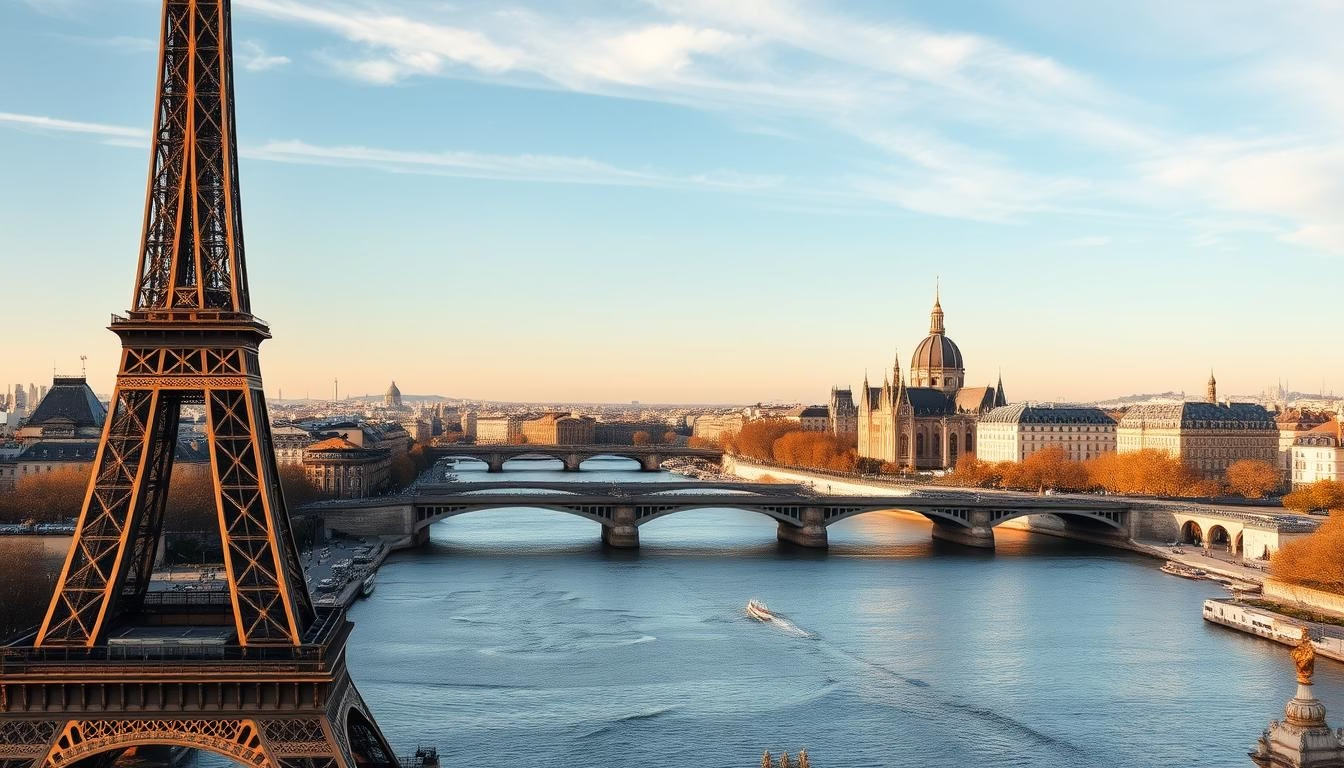
Explore the Best Tourist Attractions in Paris, France
Welcome to your gateway for uncovering iconic landmarks and charming corners in Europe’s most romantic capital. Paris earned its nickname “City of Light” not just for its early gas lamps, but for the cultural energy that shines through its art-filled streets and bustling cafés. Divided into 20 arrondissements, this metropolis blends grand boulevards with winding lanes, where every neighborhood tells its own story.
This comprehensive guide goes beyond the obvious stops like the Eiffel Tower or Louvre. Discover why locals love strolling through Saint-Germain-des-Prés’s bookshops or sipping espresso in Montmartre’s cobblestone squares. Whether you’re planning your first trip or seeking fresh perspectives, we’ll help you experience the city’s heartbeat.
You’ll find practical advice for navigating Paris efficiently, plus hidden courtyards and markets that many visitors miss. Our tips aim to transform your itinerary from a checklist of sites into a journey through living history, art, and flavor. Let’s dive into the magic waiting around every corner.
Key Takeaways
- Paris’s 20 arrondissements each offer distinct vibes, from artistic hubs to historic districts
- Iconic landmarks sit alongside lesser-known spots favored by residents
- Walkable layout makes exploring multiple areas in one day achievable
- Cultural immersion comes through local cafés, markets, and hidden passageways
- Practical navigation tips help maximize time while avoiding crowds
Top Tourist Attractions in Paris
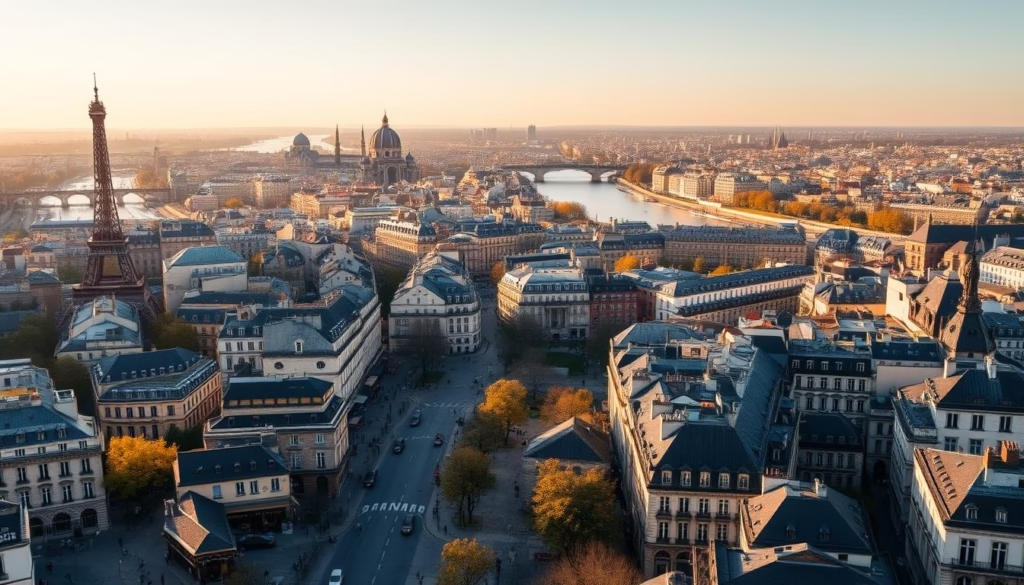
Millions journey here annually to witness landmarks that define cultural excellence. The Louvre Museum alone draws over 10 million visitors yearly, claiming the world’s most visited museum title. But the city’s charm extends beyond its headline acts – think serene gardens like Luxembourg and vibrant districts like Le Marais.
What makes these top places so special? Variety. Gothic cathedrals stand beside modern art hubs, while cobblestone alleys lead to sprawling boulevards. This diversity ensures every traveler finds their perfect match, whether they’re into Renaissance masterpieces or people-watching at sidewalk cafés.
Smart planning transforms your experience. Focus on what excites you most instead of rushing through checklists. Art lovers might pair Musée d’Orsay with Picasso Museum, while architecture fans could combine Notre-Dame with Sainte-Chapelle.
The city’s walkable layout lets you conquer multiple highlights in one day. Many world-renowned sites sit minutes apart via metro or foot. Save time by grouping nearby destinations – maybe start at the Eiffel Tower before strolling to Trocadéro’s panoramic viewpoints.
Remember: some of Paris’s best moments happen between landmarks. That flower market near Notre-Dame? The jazz drifting from a Saint-Germain cellar? These spontaneous discoveries create lasting memories beyond any guidebook.
Iconic Landmarks: The Eiffel Tower
Gustave Eiffel’s iron masterpiece debuted at the 1889 World’s Fair as a temporary exhibit – now it’s France’s most visited paid monument. The Eiffel Tower offers three levels of exploration: climb 674 stairs to the second floor for bragging rights, or glide up via elevator to sip champagne 906 feet above the Seine.
Skip-the-Line Tips
Don’t waste vacation hours in queues – book tickets online 60 days ahead for specific time slots. Choose between stair-access passes (cheaper) or elevator rides to summit. Pro tip: Arrive 15 minutes early for security checks. Night visits require extra planning – those golden light photos? Technically illegal without permission due to copyright laws!
Dining with a View
Three restaurants cater to every palate. Madame Brasserie on the first floor serves seasonal dishes with 360° views. For dinner above the clouds, Le Jules Verne on the second level offers Michelin-starred tasting menus. Prefer bubbles? The summit’s champagne bar lets you toast Paris from its highest perch.
Ground-level magic happens at Trocadéro Gardens across the river. Arrive 15 minutes before the hourly twilight sparkle show – 20,000 bulbs transform the tower into a glittering beacon visible across the city.
Exploring the Louvre Museum
Stepping into the Louvre feels like wandering through a time capsule of human creativity. This sprawling museum spans 652,300 square feet – you’d need nine days just to glance at every piece! While 10 million annual visitors flock to see the Mona Lisa’s mysterious smile, the real magic lies in unexpected corners.
Masterpiece Highlights
Ditch the crowds at Da Vinci’s superstar portrait and explore lesser-known wonders. The Egyptian wing reveals sarcophagi older than Paris itself, while Napoleon III’s gold-leafed apartments showcase 19th-century extravagance. Don’t miss Vermeer’s lacemaker or Delacroix’s Liberty Leading the People – both masterclasses in storytelling through art.
Guided Tour Recommendations
Local experts transform overwhelming hallways into coherent narratives. “Most visitors miss 90% of what makes the Louvre Museum special,” says historian Claire Dubois. Her 2-hour tours reveal hidden gems like Van Gogh’s early sketches. Prefer solitude? Download their official audio guide and wander at your pace.
Arrive Wednesday or Friday evenings for thinner crowds. Use the underground Carrousel entrance to skip pyramid-area lines. Remember: those ancient fortress walls beneath your feet? They’re older than the museum’s most antique artifacts.
Notre-Dame Cathedral: History and Resilience
Rising like a phoenix from the ashes, Notre-Dame embodies Paris’ enduring spirit. This Gothic marvel on Île de la Cité – the island where Paris began – has watched over the city since construction started in 1163. Its iconic flying buttresses and haunting gargoyles survived revolution, wars, and the 2019 fire that shocked the world.
“The cathedral isn’t just stone and glass – it’s the soul of France made visible,” notes a restoration team member. Workers are still rebuilding the spire, but the main nave reopened in 2024. Walk through rose windows casting kaleidoscope colors across ancient pews, their 13th-century craftsmanship intact.
| Viewing Spot | Best Time | Nearby Gems |
|---|---|---|
| Left Bank riverbanks | Sunset | Square Jean XXIII gardens |
| Pont au Double bridge | Morning | Medieval Saint-Chapelle |
| Île de la Cité walk | Weekdays | Marché aux Fleurs market |
Secure free timed-entry passes online to bypass lines. While the towers remain closed, new exhibits detail the architecture rescue mission. Don’t rush – sit quietly beneath the vaulted ceiling where kings were crowned and empires shifted.
After exploring, wander Île de la Cité’s cobblestone lanes. Discover flower stalls bursting with peonies or sip chocolat chaud at Place Dauphine. This living museum district proves some treasures only grow richer with time.
Montmartre & Sacré-Cœur: Artistic Heart of Paris
Perched high above the Seine, Montmartre’s cobblestone lanes whisper tales of art and rebellion. This hilltop village within the 18th arrondissement feels worlds apart from grand boulevards near the Arc de Triomphe. Artists still sketch at Place du Tertre, just as Picasso and Van Gogh did when this area was a cheap creative haven.
Artistic Vibe and Local Culture
Climb to Sacré-Cœur’s gleaming dome for views stretching to the Eiffel Tower. Street musicians serenade visitors on the basilica’s steps while painters capture the scene below. “Montmartre isn’t a place – it’s a state of mind,” says local gallery owner Élodie Marchand. Her favorite spot? The vineyard on Rue des Saules, Paris’ last working grape plot.
Nightfall transforms the neighborhood. The Moulin Rouge’s red windmill spins to life, echoing its 19th-century cabaret roots. For a quieter evening, wander Rue Lepic’s boutique-lined slopes or sip wine at Le Consulat café. This heart of Parisian creativity rewards those who linger beyond sunset.
Reach this elevated enclave via the Anvers funicular or Montmartrobus. Early mornings reveal locals buying baguettes at boulangeries before crowds arrive. While the Moulin Rouge dazzles first-timers, hidden gems like Musée de Montmartre showcase the area’s true spirit through Renoir’s former studio and secret gardens.
From the Arc de Triomphe’s symmetry to the Eiffel Tower’s iron curves, Paris loves icons. But Montmartre’s magic lies in its imperfections – chipped paint on artists’ easels, mismatched café chairs, and the Moulin Rouge’s defiant sparkle against modern skylines.
Seine River Cruises: A Unique Perspective
Water transforms perspectives: cruise the Seine to see iconic structures dance with their reflections. These tours blend romance with education, floating past eight centuries of history. Companies like Vedettes du Pont Neuf offer one-hour journeys departing from Paris’ oldest bridge, revealing hidden details you’d miss on land.
Daytime vs Nighttime Experiences
Afternoon voyages along the Seine gift photographers crisp views of Notre-Dame’s gargoyles and Musée d’Orsay’s clock face. Guides decode architectural secrets as you glide beneath stone bridges. Come sunset, the river becomes liquid twilight—golden hour washes over the Louvre before the Eiffel Tower begins its hourly sparkle.
Evening cruises time departures perfectly for that first glittering show. Opt for champagne tastings as city lights double in the water, or savor multi-course dinners with jazz accompaniment. Pro tip: Book late night slots midweek for thinner crowds.
Whether you choose a quick sightseeing way to overview landmarks or a luxurious three-hour feast, the Seine’s currents carry timeless magic. Just remember—the best seats aren’t in front of a monument, but in the space between, where history and modernity flow along the Seine together.